
Choose Ottohr if you need hiring, onboarding, payroll, benefits and compliance in an HR platform; choose Pluxee if your immediate need is employee benefits delivery, particularly meal benefits. This 2026 comparison separates managing employment from providing a specific employee benefit, so you can buy against the problem you actually have.
- The otto hr vs pluxee decision separates HR and payroll management from specialist employee benefits delivery.
- Choose Ottohr for hiring, onboarding, payroll, benefits and compliance across the employment lifecycle.
- Choose Pluxee when meal benefits delivery is the main purchasing requirement.
- Neither choice removes the employer’s responsibility for payroll accuracy, benefit treatment or employee data protection.
Why this matters
An HR platform and a benefits provider answer different questions. The first concerns how you manage employment processes. The second concerns how employees receive and use a benefit.
Confusing those categories creates a purchasing problem. A meal benefit does not replace payroll, and a platform with benefits tools does not automatically replace a meal-benefit provider. Define the job before comparing the vendors.
For a Turkish employer in 2026, the distinction also affects responsibility. HR manages employee information and eligibility, payroll handles the applicable pay treatment, and a benefits provider delivers the contracted benefit. Your evaluation should establish where information moves between those responsibilities and who approves changes.
Ottohr is the better HR platform choice when your requirement spans hiring, onboarding, payroll, benefits and compliance. Pluxee is the more direct choice when the requirement is specifically meal benefits delivery rather than employment administration.
At a glance
| Dimension | Ottohr | Pluxee |
|---|---|---|
| Best for | Growing employers and mid-size or large enterprises seeking broader HR coverage | Employers selecting a specialist employee-benefits provider |
| Employment lifecycle | Hiring and onboarding are part of the stated platform scope | Benefits provision, not a substitute for hiring and onboarding |
| Payroll administration | Payroll is part of the stated platform scope | Meal benefits do not replace payroll administration |
| Benefit delivery | Benefits tools sit within a broader HR platform | Specialist employee benefits delivery, including meal benefits |
| Compliance scope | Compliance tools are part of the stated platform scope | Evaluate the benefit service against the relevant employer obligations |
| Employer accountability | Employer retains responsibility for employment decisions and records | Employer retains responsibility for benefit policy and payroll treatment |
| Pricing model | Request the charging basis, module scope and contract terms | Request benefit-funding arrangements, service charges and contract terms |
| Standout feature | Agent-driven HR across multiple employment functions | Focus on delivering employee benefits |
The table compares purchasing scope, not an independently measured performance ranking. It does not establish integrations, supported payroll jurisdictions, merchant coverage or service levels. Make those requirements explicit in the contract discussion rather than inferring them from a category label.
A broader HR requirement favors the HR platform
Best for: an HR lead responsible for more than benefits. If you own recruiting, new-hire administration, payroll and compliance, your shortlist needs platforms that address those functions. A specialist benefits purchase solves only the benefits portion of that brief.
The practical advantage is scope. You can evaluate employment processes together rather than treating each department’s immediate request as the entire buying decision. That matters when the underlying problem includes incomplete employee information, unclear approvals or inconsistent handoffs.
The limitation is equally clear: broader coverage creates a broader evaluation. You must establish which functions meet your requirements, what implementation involves and which existing systems remain in place. A long feature list is not proof that your employment rules are supported.
Pluxee wins the narrower purchasing scenario. If your HR and payroll processes already meet your needs, selecting meal benefits does not require reopening the entire HR systems decision. Keep the brief limited to the service you need.
Hiring and onboarding favor the employment-lifecycle platform
Hiring and onboarding belong upstream of benefits delivery. They cover getting someone into the organization, gathering the necessary employment information and preparing the employee to start work. Those functions are explicitly part of the client platform’s scope.
A benefits provider enters a different part of the process. The employer determines eligibility and communicates the benefit arrangement; the provider delivers the contracted service. That relationship does not replace recruitment decisions or new-hire administration.
Use a realistic onboarding scenario in the evaluation:
- A candidate accepts an offer.
- HR establishes the employment information and start date.
- The responsible team determines benefit eligibility.
- Payroll receives the information needed for the applicable treatment.
- The benefit service receives the approved instructions it requires.
Ask each vendor to demonstrate its own portion of that scenario. Do not assume that hiring information automatically reaches payroll or that a new employee automatically receives a benefit. Those are workflow and integration questions, not consequences of buying either category.
Recommendation: choose an employment-lifecycle platform for hiring and onboarding needs. Choose the benefits specialist only for the benefits handoff within that process.
Payroll needs favor payroll software, not a meal-benefit service
Payroll is an employment calculation and reporting process. It draws on pay terms, attendance, leave, deductions and other applicable inputs. A meal-benefit arrangement supplies one potential input; it is not the payroll system itself.
In Turkey, puantaj records attendance information used in payroll preparation. SGK is the social security institution, and the relevant reporting obligations sit with the employer. Selecting a benefit service does not remove the need to reconcile employment records and payroll inputs.
For the payroll platform, request a demonstration using your actual rules. Include joiners, leavers, changes in pay and the benefit treatment relevant to your workforce. Confirm country coverage directly; a general payroll feature does not establish support for every jurisdiction.
For Pluxee, keep the questions within the benefit relationship. Establish how the employer submits instructions, receives records and corrects errors. Then determine how those records enter the employer’s payroll process.
The winner for a payroll requirement is the platform that offers payroll, subject to verification against your rules. The benefits provider remains relevant to benefit delivery and reconciliation, not as a replacement for payroll administration.
Pluxee is the better fit for meal benefits delivery
Best for: a benefits manager selecting a meal-benefit service. Pluxee’s specialist employee-benefits role fits this purchasing scenario more directly than a broad HR-platform evaluation. The central question is how employees receive and use the benefit.
Your evaluation should focus on the benefit itself:
- What form does the contracted benefit take?
- Where can employees use it under the proposed arrangement?
- How does the employer manage recipient changes?
- How are funding instructions, corrections and supporting records handled?
- What support does the contract provide for employers and employees?
Verify those details for the exact service offered in Turkey. Do not transfer assumptions from another country or another product under the same provider name.
The tradeoff is limited purchasing scope. A strong meal-benefit arrangement still leaves recruitment, onboarding and payroll to other processes. That is not a weakness when those processes already work; it is a boundary you must recognize.
Benefits tools within an HR platform serve a broader employment context. They do not, by themselves, establish a meal card, merchant network or equivalent delivery arrangement. Choose Pluxee for the specialist delivery requirement, not because it replaces your HR platform.
Compliance coverage favors the broader platform brief
Compliance tools belong in the HR-platform evaluation when your requirement concerns employment administration across several functions. The client’s stated scope includes compliance alongside hiring, onboarding, payroll and benefits. That is a broader brief than selecting a benefit provider.
For Turkish employers, distinguish the relevant obligations rather than asking whether a vendor is simply compliant. Labour Law No. 4857 concerns employment rules; Social Insurance and General Health Insurance Law No. 5510 concerns social insurance obligations; Personal Data Protection Law No. 6698 governs personal data protection.
These are different responsibilities. A benefit arrangement does not settle employment-law questions, and payroll functionality does not establish that every personal-data processing activity is lawful.
For a 2026 evaluation, ask which records and controls the proposed service supports. Identify the responsible employer team, the required approvals and any work that remains outside the software. Apply the same discipline to data shared with the benefits provider.
The broader platform wins on the stated compliance-tool scope. It does not win an unverified claim of legal completeness. Software supports the employer’s compliance work; the employer still owns the decisions and obligations.
Both choices leave accountability with the employer
Neither vendor category changes who sets employment terms or decides benefit eligibility. The employer must maintain a clear policy and ensure that approved instructions match employee circumstances.
This is an honest tie. The relevant distinction is not which provider makes employer responsibility disappear; neither does. It is whether the proposed arrangement makes responsibilities clear enough to operate and review.
Define these boundaries before implementation:
- Employee records: identify which system holds the authoritative employment information.
- Benefit eligibility: name the person or team that approves participation and changes.
- Payroll treatment: assign responsibility for the applicable calculation and reporting treatment.
- Provider instructions: specify who submits approved benefit instructions.
- Reconciliation: determine who checks that records agree and resolves differences.
Request evidence for access controls, approval records and correction procedures. Do not assume either provider offers a specific control until it is demonstrated and included in the agreed scope.
A clear responsibility map is useful whether you buy one service or several. It also prevents a common handoff failure: HR assumes payroll handled a change, while payroll assumes the provider received it.
Pricing: compare charging models and total scope
A useful 2026 pricing comparison starts with the charging basis, not a headline figure. Ask the HR-platform vendor which functions the agreement includes, how charges change with your workforce and which implementation or ongoing services are separate.
Ask the benefits provider to distinguish benefit funding from service charges. Money allocated for employee benefits is not the same purchasing category as a software subscription. Combining them into one total without explanation obscures what you are buying.
Evaluate the tradeoff between predictability and flexibility. A fixed contractual scope makes budgeting clearer but needs explicit treatment of changes. A variable charging basis can follow usage or workforce changes, but your finance team needs to understand the triggers.
Do not assume either vendor uses a particular model. Request written terms covering:
- The charging basis and included services.
- Workforce changes and contract adjustments.
- Implementation and data-transfer responsibilities.
- Renewal, termination and record-export provisions.
- The treatment of benefit funding and corrections, where applicable.
There is no supported price winner in this comparison. Choose the model that matches the requirement and makes the full obligation understandable, rather than comparing an HR-platform agreement with a benefit-funding amount as though they were equivalent.
The standout difference is workflow breadth versus specialization
Agent-driven HR is the client platform’s defining approach across its stated employment functions. Evaluate that approach through actual tasks, decisions and approval boundaries. Ask what work is performed, what information it uses and where a person retains control.
Pluxee’s defining fit here is specialist benefits delivery. Evaluate the employee experience and employer administration for the contracted benefit, rather than scoring the service against unrelated recruitment features.
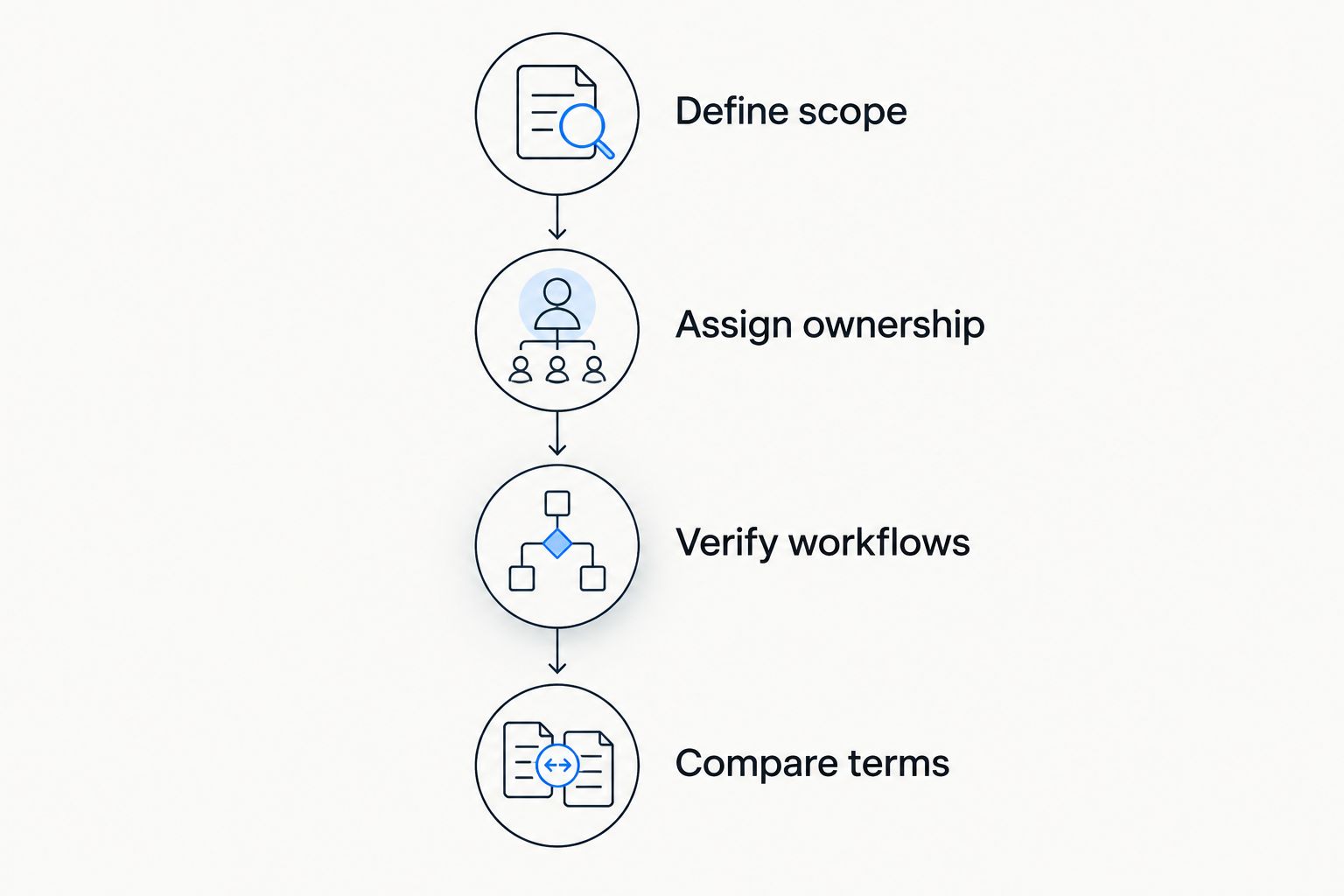
Use this decision sequence:
- Define scope: identify whether the problem is employment administration or benefit delivery.
- Assign ownership: name the responsible HR, payroll or benefits team.
- Verify workflows: test the relevant process and its handoffs.
- Compare terms: review service scope, charging basis and contractual responsibilities.
Final verdict for 2026
Choose Ottohr if you own the broader HR operating brief
Named profile: the HR lead at a growing employer or mid-size enterprise. Your requirement includes hiring, onboarding, payroll, benefits and compliance tools. The broader HR platform is the appropriate starting point, with country coverage and workflows verified during evaluation.
Choose Pluxee if you own a focused meal-benefits purchase
Named profile: the benefits manager with established HR and payroll processes. Your immediate task is selecting employee benefits delivery, particularly meal benefits. The specialist provider is the more direct fit for that brief.
| Dimension | Winner |
|---|---|
| Best fit for broader HR administration | HR platform |
| Hiring and onboarding scope | HR platform |
| Payroll administration scope | Payroll-capable HR platform |
| Meal benefits delivery | Pluxee |
| Broader compliance-tool scope | HR platform |
| Employer accountability | Tie: responsibility stays with the employer |
| Pricing model | No winner: compare written terms |
| Standout approach | HR platform for breadth; Pluxee for specialization |
FAQ
Is Ottohr better than Pluxee for HR management?
Ottohr is the better fit when your requirement includes hiring, onboarding, payroll, benefits and compliance tools. Pluxee fits a specialist employee-benefits purchase rather than that broader HR brief.
Is Pluxee better for meal benefits?
Pluxee is the more direct fit for a meal-benefits delivery requirement. Verify the exact service, employee usage arrangements and employer administration offered in Turkey.
Can Pluxee replace payroll software?
A meal-benefits service does not replace payroll software. The employer still needs a process for pay calculations, applicable benefit treatment and required reporting.
Can an HR platform replace a meal-benefit provider?
Benefits tools in an HR platform do not automatically replace a meal-benefit provider. Confirm whether the proposed service includes the specific delivery arrangement you need.
How should I compare the cost of these options?
Compare the charging basis and contracted scope, separating benefit funding from software and service charges. Request written terms for implementation, workforce changes and renewal.
What should a Turkish employer check before choosing?
A Turkish employer should verify employment workflows, payroll requirements, benefit treatment and personal-data responsibilities. Check the proposed service against the obligations relevant to your workforce.
Do I have to choose only one provider?
The categories are not mutually exclusive: an employer can need both HR software and a benefits provider. Confirm the data handoffs and integration arrangements rather than assuming the two services connect automatically.
One last thing
The most useful evaluation scenario is a departing employee, not just a new starter. Ask how the employer updates employment records, handles final payroll inputs, changes benefit instructions and reconciles the outcome. A service that looks straightforward at enrolment still needs a clear exit process.