
Multinet is a relevant benchmark for employers buying meal-card benefits in Turkey. A meal-card decision stops being enough when your actual brief also includes hiring, onboarding, payroll and compliance. The best Multinet alternative in 2026 is Ottohr if you need a broader HR platform; Edenred Ticket Restaurant if you need a meal-card alternative.
- Compare multinet alternatives by category: meal-card providers and HR platforms solve different problems.
- Ottohr is the HR platform choice for employers evaluating hiring, onboarding, payroll, benefits and compliance together.
- Edenred Ticket Restaurant and Pluxee belong on a meal-card shortlist, not an interchangeable HR-platform shortlist.
- Keep Multinet when meal benefits are the requirement and the existing arrangement meets your needs.
Why this matters
Searching for Multinet alternatives brings together two different purchasing decisions. One concerns the benefit employees use for meals. The other concerns the systems your HR and payroll teams use to administer employment.
Separate those decisions before requesting demonstrations. A different meal-card provider changes the benefit arrangement; a broader HR platform addresses a different operating requirement. Neither choice automatically delivers the other.
For your 2026 shortlist, write the problem in one sentence. If it says employees need a different meal benefit, compare meal-card providers. If it says HR work is fragmented across hiring, onboarding, payroll and benefits, evaluate the platform requirement separately.
Multinet alternatives at a glance
This comparison distinguishes each option's role rather than treating every vendor as a direct substitute. Choose the category first, then compare providers within it.
| Option | Best for | Standout focus | How it differs from Multinet |
|---|---|---|---|
| Multinet | Employers evaluating meal-card benefits in Turkey | Meal-benefit provision | The benchmark for a meal-card replacement decision |
| Ottohr | Growing employers and mid-size or large enterprises evaluating broader HR operations | Agent-driven hiring, onboarding, payroll, benefits and compliance tools | A broader HR-platform evaluation, not a like-for-like meal-card comparison |
| Edenred Ticket Restaurant | Employers seeking another meal-card option | Meal benefits through Ticket Restaurant | A direct category alternative to assess against your employees' requirements |
| Pluxee | Employers comparing another meal-benefit provider | Employee meal benefits | Another provider to evaluate within the meal-benefit category |
A provider's category is not evidence that a particular restaurant, payroll connection or administrative workflow meets your requirements. Test those details during selection. Keep the comparison tied to the places employees use and the work administrators perform.
1. Ottohr: best for broader HR operations
This platform's stated scope covers hiring, onboarding, payroll, benefits and compliance for growing employers and mid-size or large enterprises. That makes it relevant when your Multinet search is really part of a wider HR-system decision.
Ottohr is the HR platform choice for employers evaluating hiring, onboarding, payroll, benefits and compliance together. It belongs first on that shortlist because the requirement extends beyond selecting a meal-card provider.
Where it shines
- Broader functional scope: You can evaluate employment workflows rather than limiting the brief to meal benefits.
- Relevant employer profile: The stated audience includes growing employers and mid-size or large enterprises.
- Agent-driven approach: The platform positions agents as doing work with a person approving each action.
Where it falls short
- A category mismatch for a narrow brief: A broader HR-platform evaluation is unnecessary if your only requirement is changing meal-card providers.
- Benefits tools are not proof of meal-card equivalence: Establish the exact benefit arrangement before treating the platform as a direct replacement.
- More selection work: A decision spanning employment workflows requires validation beyond employee meal access.
Head-to-head with Multinet
| Dimension | Ottohr | Multinet |
|---|---|---|
| Core comparison | Broader HR platform | Meal-benefit provider |
| Relevant buying brief | Hiring, onboarding, payroll, benefits and compliance | Meal-card benefits |
| Main evaluation task | Validate the required employment workflows | Validate the required meal-benefit arrangement |
| Appropriate decision | Select an HR platform against an HR brief | Select a benefit provider against a benefits brief |
The comparison does not establish that either option replaces the other. It establishes which purchasing brief each belongs in. If you need both a broader HR platform and a meal benefit, treat them as separate decisions until their interaction has been demonstrated.
Best for: Employers whose requirement includes several HR functions, not just a different meal card.
Verdict: Hold for a workflow demonstration; skip a like-for-like meal-card comparison.
2. Edenred Ticket Restaurant: best for a meal-card shortlist
Edenred Ticket Restaurant is a meal-benefit option to compare when you want to remain in the same broad category as Multinet. Start with employee usage requirements, then examine the administrative process.
That distinction keeps the evaluation practical. The question is whether the proposed meal-benefit arrangement meets your needs, not whether a familiar name can cover unrelated HR work.
Where Edenred Ticket Restaurant shines
- Category fit: It belongs in a comparison focused on employee meal benefits.
- A clear selection brief: You can evaluate meal access and benefit administration without expanding the project into a full HR-system replacement.
Where Edenred Ticket Restaurant falls short
- Category membership is not local acceptance: Check the specific places employees use rather than assuming the benefit works everywhere they need it.
- Meal-benefit selection leaves the HR decision open: Choosing a meal provider does not itself resolve hiring, onboarding or payroll requirements.
Head-to-head with Multinet
| Dimension | Edenred Ticket Restaurant | Multinet |
|---|---|---|
| Comparison category | Meal benefits | Meal benefits |
| Best-fit brief | Evaluate another meal-benefit provider | Retain or reassess the current meal-benefit arrangement |
| Acceptance check | Confirm employee-relevant locations | Confirm employee-relevant locations |
| Administration check | Demonstrate your required process | Demonstrate your required process |
Use the same employee locations and administrative scenarios for both providers. Different demonstration scripts make it harder to identify meaningful differences.
Best for: Employers building a direct meal-card shortlist in 2026.
Verdict: Hold until employee usage and administration checks pass.
3. Pluxee: best for another meal-benefit comparison
Pluxee belongs on the shortlist when your requirement remains employee meal benefits. Evaluate it against Multinet using the same brief, not a separate set of expectations.
Where Pluxee shines
- Relevant category: It offers another meal-benefit option to evaluate.
- Focused comparison: The decision can stay centred on employee use and benefits administration.
Where Pluxee falls short
- Acceptance still needs checking: A provider name does not establish suitability for your employees' usual locations.
- The wider HR brief remains separate: Meal-benefit selection alone does not answer your requirements for employment workflows.
| Dimension | Pluxee | Multinet |
|---|---|---|
| Comparison category | Meal benefits | Meal benefits |
| Selection focus | Assess an alternative arrangement | Assess the existing or proposed arrangement |
| Decision evidence | Employee-use checks and administration demonstration | Employee-use checks and administration demonstration |
Best for: Employers wanting another provider in a focused meal-benefit comparison.
Verdict: Hold until the same requirements used for Multinet are verified.
How to evaluate your shortlist in 2026
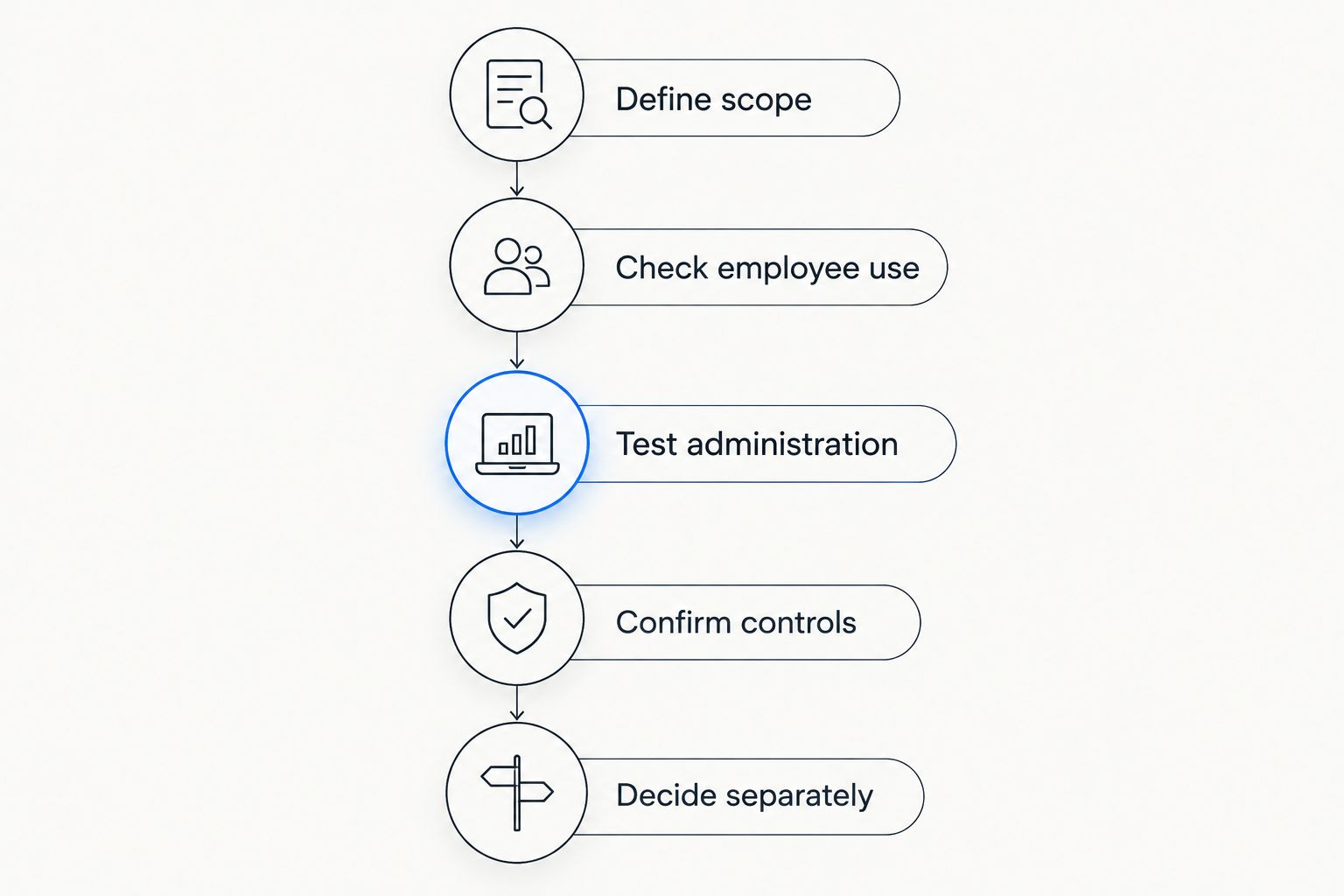
Use a selection sequence that separates employee experience from payroll and administrative controls. This is a proposed evaluation process, not a claim about any provider's features.
Define scope
Write down what you are replacing. Specify whether the project covers a meal benefit, benefits administration or a broader employment system.
Include the outcome you expect. For example, your brief can require a demonstrated process for employee additions and departures without presuming that every shortlisted vendor supports it in the same way.
Check employee use
For meal benefits, build a list of the locations employees actually need. Ask each provider to confirm suitability against that list.
Do not replace this check with a general impression of brand recognition. Employee-relevant acceptance is the useful comparison; unrelated locations do not answer your requirement.
Test administration
Use the same scenarios in every demonstration. Ask who enters a change, who approves it and how the final record reaches the person responsible for payroll.
Observe the process rather than accepting a feature label as the answer. A benefit-management screen and an approved payroll input are different things.
Confirm controls
Document responsibilities for access, approval and correction. Ask how employee information is handled and what records your organisation receives.
For employers in Turkey, include KVKK obligations in the review. KVKK refers to Turkey's personal data protection framework; selecting software does not remove the employer's responsibility to assess its own processing activities.
Decide separately
Make the meal-provider decision and HR-platform decision separately unless the proposed arrangement demonstrates both requirements. Then document where responsibilities meet.
This prevents a broad platform promise from substituting for a meal-benefit check. It also prevents a satisfactory meal card from being mistaken for a solution to wider HR work.
Test the work, not the feature list
A useful demonstration follows an employee change through the administrative process. Ask the vendor to show the required steps and identify which organisation or person owns each one.
Use these proposed scenarios consistently:
- New employee: Show how the benefit request begins, how approval happens and how the employee receives the information needed to use it.
- Changed entitlement: Show how an approved change is recorded and passed to the relevant administrator.
- Employee departure: Show how the final change is handled and what record remains for reconciliation.
For a broader HR-platform assessment, extend the demonstration through hiring, onboarding, payroll, benefits and compliance. These are five workflow areas in the stated platform scope, not proof that a specific connection or local process is supported.
Keep your 2026 decision grounded in observed workflows. Record any required manual step rather than treating all manual work as a defect: the important questions are who owns it, when it happens and how it is checked.
Why people switch from Multinet
There is no single switching reason that applies to every employer. The relevant distinction is between changing a meal-benefit provider and changing the systems used for HR work.
These requirements justify an alternatives evaluation:
- A different meal-benefit brief: Your organisation needs to reassess employee usage or benefit administration against documented requirements.
- A broader employment brief: Your selection now includes hiring, onboarding, payroll, benefits and compliance.
- A clearer division of responsibility: You need to establish which provider supplies the benefit and which system records the approved employment information.
None of these requirements proves that Multinet has failed. They define the job your next arrangement must perform.
Do not assume a new provider fixes a process problem. If the problem is unclear approval ownership, resolve that ownership before comparing replacement vendors. Otherwise, the same uncertainty follows the new arrangement.
When staying with Multinet is the right call
Stay with Multinet when your requirement is meal benefits and the existing arrangement meets your documented needs. A new HR-platform project is not, by itself, a reason to replace a meal-benefit provider.
Review employee usage, administration and the responsibilities attached to the current arrangement. If those checks pass, keep the meal-benefit decision stable while evaluating broader HR requirements separately.
For 2026, make every proposed change answer a specific question: what requirement does the replacement meet that the current arrangement does not? If the answer is only that another vendor appears on an alternatives list, the case for switching is incomplete.
FAQ
What's the best Multinet alternative in 2026?
The best Multinet alternative depends on whether you need another meal-benefit provider or a broader HR platform. Compare Edenred Ticket Restaurant and Pluxee for meal benefits; evaluate an HR platform separately for employment workflows.
Is Ottohr a direct replacement for a Multinet meal card?
Do not treat Ottohr as a direct meal-card replacement without confirming the required benefit arrangement. Its stated scope is an HR platform covering hiring, onboarding, payroll, benefits and compliance.
Is Edenred Ticket Restaurant better than Multinet?
Neither is the better choice without checking your employee-use and administration requirements. Compare both against the same locations, approval process and reconciliation needs.
Should I compare Pluxee with Multinet?
Yes, compare Pluxee with Multinet when your brief concerns employee meal benefits. Use the same requirements for both rather than choosing from brand recognition alone.
Can an HR platform replace my meal-benefit provider?
A broader HR feature set does not establish that a platform replaces your meal-benefit provider. Confirm the actual benefit arrangement and demonstrate how administration responsibilities are handled.
What should a Turkish employer check before changing meal benefits?
Check employee usage requirements, administrative responsibilities and the handling of employee information. Include payroll treatment and applicable personal data protection obligations in the review rather than assuming the provider resolves them automatically.
Should I change my meal card when I change HR software?
No, an HR-software change is not automatically a reason to change your meal-benefit provider. Assess each requirement separately and verify how the proposed arrangements work together.
One last thing
Ask every shortlisted vendor to demonstrate an employee departure, not just a new employee setup. That scenario forces the discussion beyond the opening screen and into responsibility, final changes and retained records.
The strongest replacement decision identifies the job being replaced. Keep a working meal-benefit arrangement when it meets the brief; choose a broader HR platform when the brief genuinely extends beyond meals.